What Is an Onion Address and How Does XPlay Use It
An onion address is a special .onion domain that routes traffic through the Tor network's layered encryption system. These addresses are generated cryptographically and appear as a string of 16 or 56 characters followed by .onion. XPlay, like other services on the darknet, uses an onion address to operate without relying on traditional DNS or clearnet infrastructure. The Tor routing protocol encrypts your traffic through multiple relays, making it difficult to trace your connection to the service. Onion addresses are not registered through ICANN or any central authority; they exist only within the Tor network. This decentralized approach allows services to operate with reduced risk of domain seizure or IP-based takedowns. Understanding this distinction is critical because it means the XPlay onion link you find must be verified through trusted channels, not through standard web searches.
How to Locate the Legitimate XPlay Onion Link
Finding the correct XPlay onion URL requires multiple verification steps. Start by checking the official project documentation or announcements from verified sources associated with XPlay. Look for the onion address posted on official mirrors, archived announcements, or community forums where the service operators have directly published it. Cross-reference the address across multiple independent sources to reduce the risk of encountering a phishing clone. Many services publish their onion links on clearnet mirrors or official social media accounts; verify these sources are authentic before trusting the address. Write down the full onion address carefully, as a single character difference leads to a completely different destination. Some services maintain a list of verified onion mirrors on their clearnet site. If you cannot find an official source, avoid guessing or using unverified links from search results or third-party directories.
Distinguishing Genuine Onion Addresses from Phishing Clones
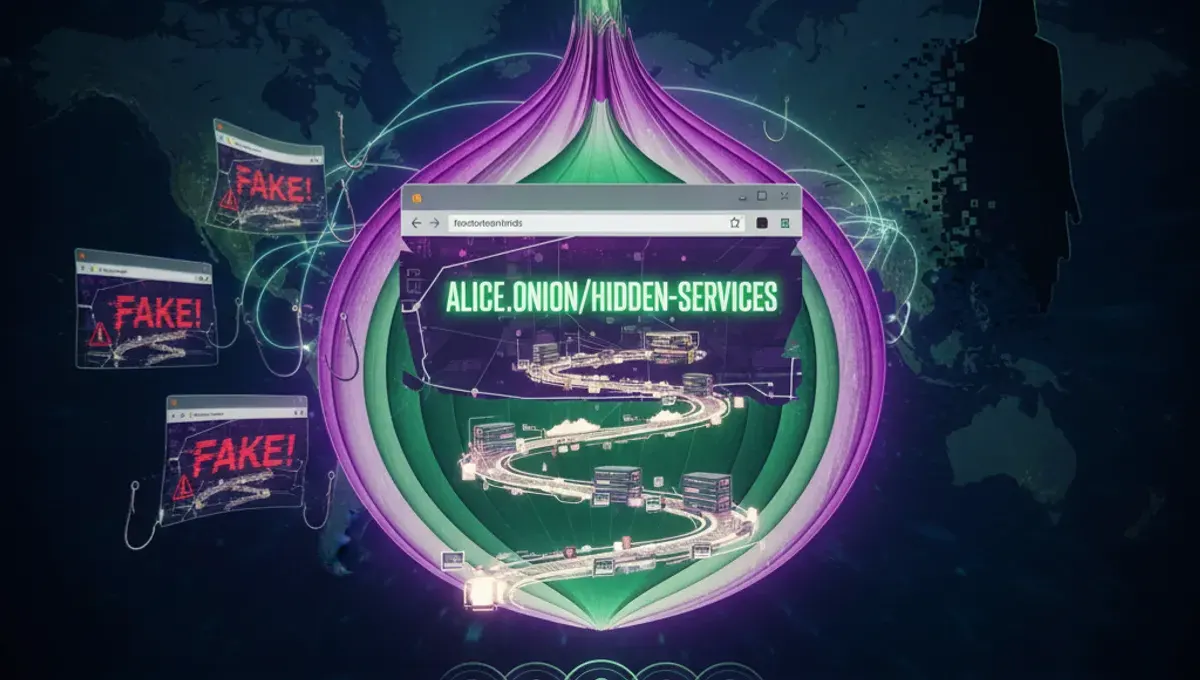
Phishing clones are fraudulent copies of legitimate onion services designed to steal credentials, cryptocurrency, or personal data. They often use similar-looking addresses that differ by only one or two characters, exploiting users who do not verify carefully. To identify a genuine XPlay onion link versus a clone, compare the full address character-by-character against your verified source. Legitimate services typically display consistent branding, correct spelling, and functional features matching official announcements. Phishing clones often have poor design, broken links, or requests for sensitive information that the real service would never ask for. Check the SSL certificate information within Tor Browser; legitimate services often use self-signed certificates with consistent fingerprints. If the site asks you to re-enter credentials immediately after login, or requests unusual personal information, it is likely a clone. Bookmark the verified onion address in Tor Browser to avoid typing it repeatedly and reduce typo risk. Never click onion links from untrusted sources; always navigate directly by typing the address into the address bar.
Understanding Onion Address Versions and Security Implications
Onion addresses exist in two versions: v2 addresses (16 characters) and v3 addresses (56 characters). Version 2 addresses were deprecated by the Tor Project in 2021 due to cryptographic weaknesses. Version 3 addresses use stronger encryption and are the current standard for new onion services. If you encounter a v2 XPlay onion link, it is outdated and may no longer be maintained by the service operators. Legitimate services have migrated to v3 addresses to improve security against brute-force attacks and address enumeration. The longer v3 address format makes it computationally harder for attackers to generate similar-looking clones. When searching for the XPlay onion URL, prioritize v3 addresses over any v2 variants. Check the Tor Project's official documentation to understand the technical differences and why this migration matters for your security. Using outdated v2 addresses exposes you to increased risk of interception or man-in-the-middle attacks.
Common Mistakes That Compromise Onion Address Verification
Users often make critical errors when verifying onion links, increasing their exposure to phishing attacks. Copying and pasting onion addresses from unverified sources is a leading cause of misdirection to clones. Trusting onion links shared in chat rooms, forums, or social media without independent verification is dangerous. Failing to bookmark the correct address and instead searching for it repeatedly increases the chance of landing on a clone. Using browser extensions or plugins that modify onion addresses can redirect you to fraudulent sites. Assuming that a site's appearance or functionality matches the real service is insufficient verification. Not checking the full address before entering sensitive information leaves you vulnerable to credential theft. Relying on search engines to find onion links is unreliable because search results may include clones ranked higher than legitimate services. Always verify the XPlay onion link through official channels, write it down carefully, and bookmark it for future use.
How to Securely Access the XPlay Onion Link in Tor Browser
Once you have verified the correct XPlay onion address, accessing it safely requires proper Tor Browser configuration. Download Tor Browser from the official Tor Project website only, never from third-party sources. Install Tor Browser and allow it to connect to the Tor network before attempting to access any onion service. Open Tor Browser and navigate to the address bar. Type the verified XPlay onion link exactly as you recorded it, character-for-character. Do not use search engines to find the link; always type the full address directly. Allow the connection to establish; onion services may take longer to load than clearnet sites. Verify the site's appearance matches your expectations and check for any security warnings from Tor Browser. Enable Tor Browser's security settings to their highest level before accessing the service. Disable JavaScript if the service does not require it, as this reduces attack surface. Clear your browser cache and cookies regularly to avoid tracking across sessions.
Comparing Onion Services with Other Darknet Access Methods
Onion services accessed through Tor Browser differ from other darknet technologies like I2P and VPN-based access. Tor provides the strongest anonymity guarantees through its multi-layer routing protocol and large user base that provides cover traffic. I2P is designed for peer-to-peer communication and offers different anonymity properties suited to specific use cases. VPNs encrypt your traffic but do not provide the same level of anonymity as Tor because the VPN provider can see your destination. For accessing services like XPlay, Tor Browser is the standard tool because it provides end-to-end encryption and onion address routing. VPNs are useful for bypassing geographic restrictions but should not be relied upon for anonymity. I2P is more suitable for distributed applications and file-sharing than for accessing centralized services. If you need to access the XPlay onion link, use Tor Browser exclusively; combining it with a VPN adds complexity without improving security for onion services.
Frequently asked questions
How do I know if an onion address is real or a phishing clone?
Verify the address against multiple official sources, compare it character-by-character, and check for consistent branding and functionality. Legitimate services publish their onion links on official channels. If you find the address in only one place or from an unverified source, treat it as suspicious. Bookmark verified addresses to avoid repeated searches that might lead to clones.
What is the difference between v2 and v3 onion addresses?
V2 addresses are 16 characters and were deprecated in 2021 due to cryptographic weaknesses. V3 addresses are 56 characters and use stronger encryption. Legitimate services have migrated to v3. If you find a v2 XPlay onion link, it is outdated. Always prioritize v3 addresses for better security against brute-force attacks.
Can I use a VPN instead of Tor to access onion services?
No. Onion services are designed to work with Tor Browser specifically. VPNs do not provide the same anonymity guarantees and cannot access .onion addresses. The VPN provider can see your destination, whereas Tor encrypts this information. Use Tor Browser exclusively for accessing the XPlay onion link.
What should I do if I accidentally visit a phishing clone?
Do not enter any credentials or personal information. Close Tor Browser immediately. Clear your browser cache and cookies. Restart Tor Browser and verify the correct onion address before attempting to access the service again. If you entered credentials, change your password on the legitimate service from a different device using Tor.
Is it safe to copy and paste onion addresses from forums or chat rooms?
No. Onion addresses shared in unverified channels are frequently phishing clones. Always verify the address through official project documentation or multiple independent trusted sources. Type the address manually or use bookmarks rather than copying from untrusted locations. This reduces the risk of landing on a fraudulent mirror.