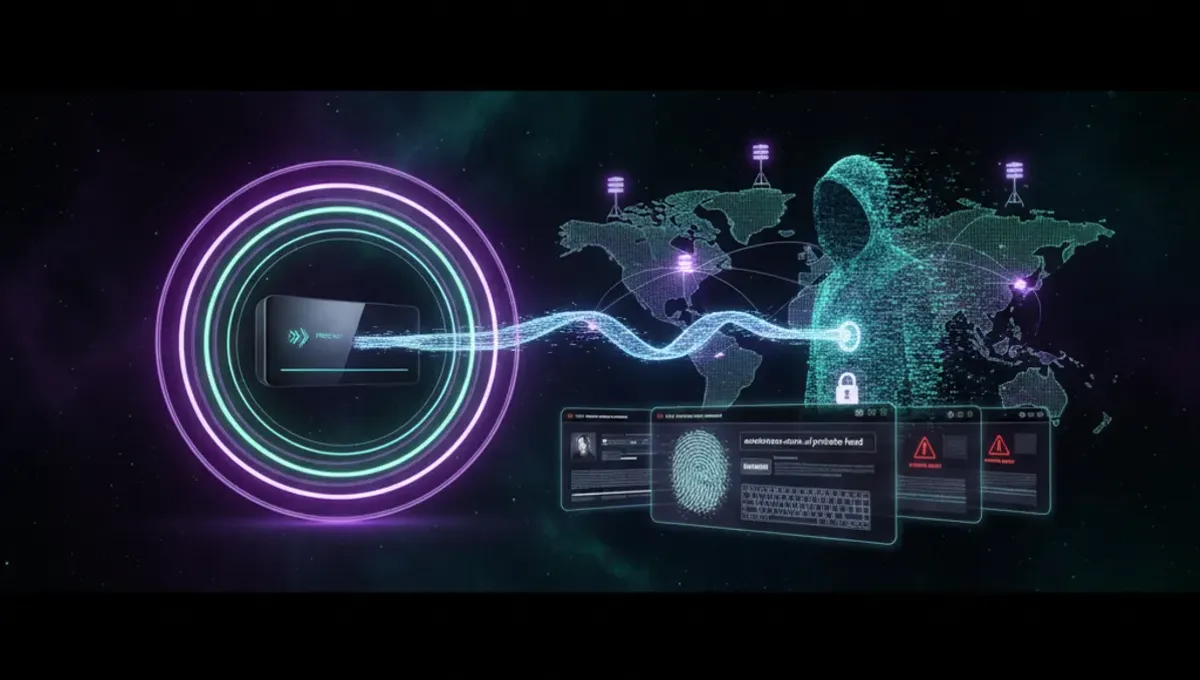
What's Happening Inside These Streaming Boxes
Jailbroken TV streaming devices operate as unwitting nodes in a distributed proxy network. When you plug in a generic box promising thousands of channels for $20, manufacturers embed firmware that:
- Harvests your residential IP address and repurposes it for third-party traffic
- Spoofs the device as mobile phones to click ads on AI-generated websites
- Participates in credential-stuffing attacks and fraud against merchants
- Operates continuously, regardless of whether you're actively watching content
This isn't incidental data collection—it's the primary business model. The streaming content is the decoy.
How This Undermines Tor and Anonymity
Tor users often believe their anonymity depends solely on the Tor network itself. A compromised home network connection changes that equation:
The problem: If your exit point to the clearnet is routed through a device already participating in coordinated fraud, your traffic patterns become entangled with malicious activity. ISPs, law enforcement, and commercial tracking firms can correlate your legitimate Tor usage with the suspicious proxy behavior happening on the same IP address.
Fingerprinting risk: When a streaming box spoofs multiple device identities from a single IP, it creates a behavioral signature. Analysts can map when legitimate users go online versus when the proxy machinery activates, potentially de-anonymizing usage patterns.
ISP escalation: ISPs increasingly block or throttle IPs flagged for fraud. If your home connection is contaminated, your ability to reliably access exit nodes or even bootstrap Tor connections degrades.
Identifying Compromised Devices on Your Network
Before trusting your anonymity infrastructure, audit your physical devices:
- Review your network's active connections using router admin panels or packet analysis tools
- Look for persistent outbound traffic to unknown IP addresses, especially outside business hours
- Monitor bandwidth usage spikes that don't correlate with user activity
- Check for multiple device fingerprints broadcasting from a single physical device
- Use DNS query logs to identify requests to ad networks, analytics services, and known fraud domains
- Run traceroute commands to your Tor entry nodes to verify they're not routed through compromised intermediaries
- Periodically disable suspect devices and observe whether your network's fraud-detection flags clear
Streaming Boxes vs. VPN & I2P Considerations
VPN-only users: A compromised streaming box behind a VPN is safer than without one, but the VPN's credibility becomes suspect if it's sharing infrastructure with fraud nodes. This is why VPN reputation matters more than marketing claims.
I2P networks: The I2P network's bidirectional tunnel model means compromised residential IPs become more valuable to adversaries. If your home connection is harvested, your I2P floodfill node effectiveness is contaminated.
Tor specifics: Tor is most resilient when your entry node is clean. A streaming box doesn't directly compromise Tor's cryptography, but it increases the risk of traffic correlation and IP-level blocking by ISPs responding to fraud alerts.
What Tor Users Should Do
Secure your entry point to the anonymity network:
- Physically inspect all devices connected to your home network
- Remove or factory-reset any streaming boxes, especially generic or unbranded models
- Use your router's MAC-filtering to allowlist only trusted devices
- Monitor outbound connections continuously using an IDS/IPS system
- If you can't trust your ISP connection, consider using Tor through a bridge or a VPN operated by a trusted third party (understanding the tradeoffs)
- Isolate Tor gateway machines on a separate VLAN if running a home Tor relay
Frequently Asked Questions
Q: Does Tor protect me if my home network has a streaming box?
A: Tor encrypts your traffic end-to-end, but it cannot hide the fact that fraudulent outbound connections are originating from your IP. Tor provides anonymity within the network; your ISP and upstream network operators still see your residential IP is participating in fraud.
Q: Can I just factory-reset the streaming box to remove the malicious firmware?
A: Factory resets on jailbroken devices often reinstall malicious firmware from persistent storage. The safer option is to not use the device at all. If you attempt a reset, do so on an isolated network segment and verify with packet analysis that no unauthorized traffic resumes.
Q: How do I know if my router itself is compromised?
A: Check your router's firmware version against the manufacturer's official release notes. Look for unauthorized admin accounts (check authentication logs). Enable SSH/Telnet only when necessary and use a strong, unique password. Monitor DNS queries for redirects to suspicious domains.
Q: Should I trust streaming boxes if they're from major brands?
A: Major brands are less likely to embed harvesting firmware, but not immune. Jailbroken or heavily discounted variants sold through third-party channels often contain unauthorized firmware modifications. Buy from official retailers only.
Practical Takeaways
Your anonymity infrastructure is only as secure as the weakest device on your network. A $20 streaming box can undermine months of careful Tor configuration. Before you invest in anonymity tools, invest in network hygiene:
- Audit every device currently online
- Establish a clear inventory of what you own and what came preinstalled
- Use network monitoring as a continuous practice, not a one-time check
- Assume any too-good-to-be-true tech product is harvesting something—usually your bandwidth or your identity
The darknet is safer when the clearnet connection feeding it is trustworthy.
Source: Krebs on Security